
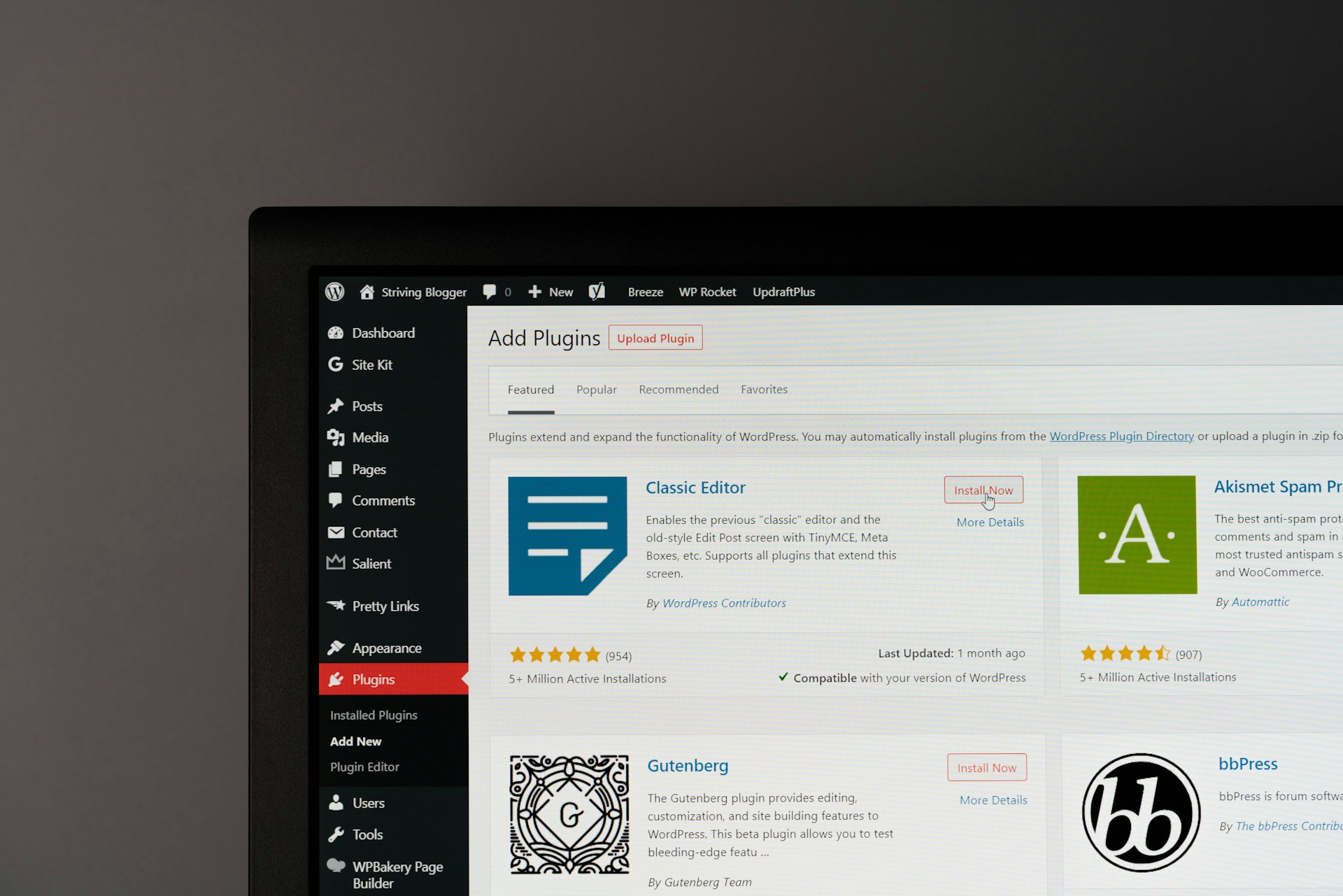
Quick answer: WordPress is often right for a content-led business that values a familiar editing experience and a broad plugin ecosystem. Next.js is often right when performance, bespoke user journeys, integrations and development flexibility are more important. Next.js can also use a separate CMS, so the choice is not simply “editable” versus “coded”.
WordPress vs Next.js at a glance
- WordPress: an open-source CMS with built-in publishing, themes and a large plugin ecosystem.
- Next.js: a React framework used to build tailored websites and applications with multiple rendering options.
- Editing: WordPress includes an admin area. Next.js needs a CMS if non-developers will manage content.
- Maintenance: WordPress requires regular core, theme and plugin care. Next.js requires a development and deployment workflow.
- Customisation: both are flexible, but Next.js provides a cleaner foundation for highly bespoke interfaces and application-like features.
When WordPress is a sensible choice
WordPress works well for service websites, publishers and teams that regularly create pages or articles. Editors can manage content in one established interface, and common marketing requirements are covered by mature tools.
The main risk is unnecessary complexity. Installing a plugin for every requirement can create overlapping code, security exposure and performance problems. A restrained build, reliable hosting and a maintenance process are essential.
When Next.js is a sensible choice
Next.js is strong when the experience needs to be tailored around the business: unusual journeys, interactive tools, portals, third-party data or reusable interfaces. It supports static and server-rendered approaches, allowing developers to choose how content reaches visitors and search engines.
It is not automatically the best solution for a basic brochure site. Development expertise, hosting configuration and content tooling need to be considered. A poorly implemented Next.js site can still be slow or difficult to manage.
Which is better for SEO?
Both platforms can support strong SEO. WordPress makes titles, content and publishing approachable, especially with a carefully chosen SEO plugin. Next.js provides precise control over metadata, rendering, structured data and performance.
Google does not reward a technology name. It rewards pages it can discover, understand and confidently serve to searchers. Helpful content, sensible architecture, internal links and technical quality are the real priorities. Read more about technical SEO and website speed, SEO and conversions.
Performance and security
A lean Next.js website can serve pre-built pages quickly and reduce the amount of database work on each visit. WordPress can also be fast with good hosting, caching, optimised media and disciplined plugin use.
WordPress's popularity and plugin surface make updates particularly important. Next.js removes some traditional CMS exposure when used with a separate content platform, but its dependencies and deployment environment still require maintenance. Neither option is maintenance-free.
Cost and ownership
WordPress can have a lower entry cost because templates and suppliers are widely available. Bespoke WordPress builds can still be substantial. Next.js often involves more specialist development at the start, but may suit a business whose website will evolve into a more connected digital product.
Compare the complete lifecycle: design, content, build, hosting, licences, maintenance, upgrades and future features. See our 2026 UK website cost guide for planning ranges.
How to choose
- Choose based on what customers must do, not what is fashionable.
- Decide who will publish and approve content.
- List required integrations and planned features.
- Establish who owns maintenance after launch.
- Test whether the proposed solution meets speed, accessibility and SEO requirements.
The verdict
Choose WordPress for straightforward, content-led publishing when your team wants an established CMS. Choose Next.js for a highly tailored, performance-focused experience or a site that needs to connect deeply with other systems. A hybrid Next.js and headless CMS setup can offer both custom development and friendly editing.
Digital Archways builds conversion-focused business websites around the result rather than forcing every project onto one platform. Tell us what the website needs to do and we can recommend an appropriate foundation.